Source Ceramic Dog Bowl for Feeding, Water, and Storage
Explore 30 listings for ceramic dog bowl options suitable for daily feeding and water storage. Buyers can compare sizes, colors, and customization features from manufacturers in China.
Key considerations
Products List






Comprehensive Sourcing Guide
Strategic Sourcing Guide for Ceramic Dog Bowls
Understanding Product Specifications and Material Composition
When sourcing ceramic dog bowls, the primary objective is to identify products that balance durability with safety for pets. The core material for this category is explicitly identified as ceramics, often utilizing porcelain as the raw material. This distinction is critical because porcelain offers a denser, less porous structure compared to standard earthenware, which directly impacts hygiene and longevity. The manufacturing technique for these items is typically glazed, a process that seals the porous clay body, creating a smooth, non-absorbent surface that resists bacterial growth and is easy to clean.
Buyers must scrutinize the specific product models available in the market to ensure they meet functional requirements. The observed product models include identifiers such as UW-P031-001, UW-P031-009, and UW-P031-025, alongside generic designations like Pet Bowl-001, Pet Bowl-002, and Pet Bowl-008. These variations often correlate with specific size configurations or design iterations. The size spectrum is broad, ranging from Small to Medium, and extending to Large, with some suppliers offering a granular sizing matrix including XS, S, M, L, XL, and XXL, or fully customized dimensions. This variability allows procurement teams to match bowl capacity to specific dog breeds, from Chihuahuas to Great Danes.
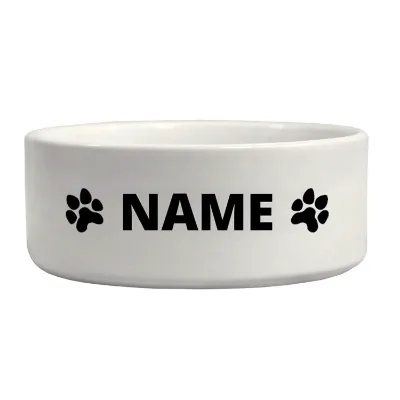
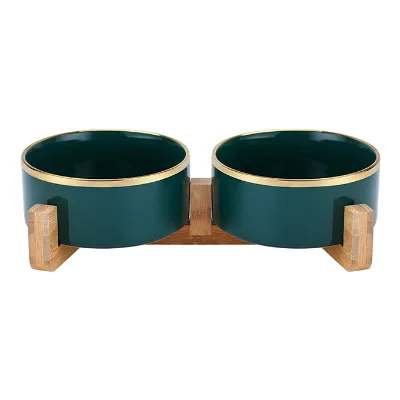
The physical attributes of the bowls also vary significantly. While some listings highlight a specific color palette including Blue, White, Yellow, Red, Purple, Orange, and Gray, others emphasize the capability for custom color support. The shape is another variable; while standard circular forms exist, the market supports customized shapes to suit aesthetic preferences or ergonomic needs. It is important to note that while some products are machine-made, ensuring consistency in wall thickness and glaze application, the customization options allow for unique branding or functional modifications. The usage scenarios are clearly defined as feeding and water provision, suitable for both daily use and specific feeding schedules, though some models are noted as lacking fixed-time feeding mechanisms, implying they are standard open bowls rather than automated dispensers.
Compliance, Certification, and Safety Standards
In the realm of pet products, regulatory compliance is not merely a formality but a fundamental requirement for market access and consumer trust. The ceramic dog bowl category is subject to rigorous safety standards, particularly regarding the materials used in the glaze and the final product's interaction with food and water. The observed certification landscape includes ISO, FDA, and BRC standards. These certifications indicate that the manufacturing process and the final product have undergone testing for safety, quality management, and food contact compliance.
ISO certification suggests adherence to international standards for quality management systems, ensuring that the production facility maintains consistent processes. FDA compliance is particularly vital for products intended for food contact, as it verifies that the glazes and materials do not leach harmful substances like lead or cadmium into the pet's food or water. BRC certification further reinforces the safety profile, often associated with global standards for food safety and quality. When evaluating potential suppliers, buyers should verify that the specific ceramic bowls they intend to purchase carry these certifications. It is essential to request current certification documents rather than relying on general claims, as certification status can vary between product lines or factories.
Beyond certifications, the "Eco-Friendly" and "Health Care" functions listed in product attributes suggest that manufacturers are increasingly focusing on non-toxic, safe materials. The recyclable and biodegradable nature of the packaging, such as standard export cartons or polybags, also plays a role in the overall sustainability profile of the product. However, the ceramic material itself is generally recyclable, but the glaze composition determines its environmental impact. Buyers should inquire about the specific composition of the glaze to ensure it meets local environmental regulations, especially if exporting to markets with strict chemical restrictions. The absence of stock in some listings indicates a made-to-order model, which requires careful coordination to ensure that the customized items still meet all necessary safety certifications before shipment.
Cost Drivers and Pricing Dynamics
The pricing structure for ceramic dog bowls is influenced by a complex interplay of factors, including material costs, manufacturing complexity, customization levels, and order volume. The observed price range in the market spans from 0.34 to 10.86 USD, a significant variance that reflects the diversity of product specifications. At the lower end of the spectrum, prices likely correspond to standard, non-customized models with basic glazing and standard sizes. These items are often machine-made and produced in high volumes, allowing for economies of scale.
Conversely, the higher price points are driven by customization and premium features. Customized shapes, specific color requests, and the inclusion of logos require additional setup costs and manual labor, which increases the unit price. The "Customized" attribute is a major cost driver; suppliers offering custom designs, logos, and colors typically operate on a made-to-order basis, as indicated by the "No Stock" status for many items. This lack of inventory means that production is triggered only after an order is placed, eliminating the risk of unsold stock for the supplier but increasing the per-unit cost due to the lack of mass-production efficiencies.
Minimum Order Quantity (MOQ) is another critical factor affecting the total cost of procurement. The observed MOQ range is between 2 and 1440 units. For buyers seeking small batches or testing the market, the low MOQ of 2 units offers flexibility, though the unit price will likely be higher. For large-scale retailers or distributors, the higher MOQs allow for significant cost reductions per unit. The material cost of porcelain and the energy-intensive process of firing ceramic bowls also contribute to the baseline price. Additionally, the origin of the product, identified as China, influences logistics costs and tariffs, which must be factored into the landed cost calculation. Buyers should analyze the total cost of ownership, including shipping, duties, and potential quality control expenses, rather than focusing solely on the unit price.
Typical Applications and Functional Requirements
Ceramic dog bowls serve a primary function in the daily care of pets, specifically for feeding and water provision. The versatility of these products is evident in their suitability for both dogs and cats, as indicated by the "Applications: Dog/Cat" attribute. The material properties of ceramic, particularly when glazed, make it an ideal choice for food contact due to its non-porous nature, which prevents the absorption of food odors and bacteria. This is a significant advantage over plastic bowls, which can harbor bacteria in scratches and cracks over time.
The functional requirements extend beyond simple containment. The "Non-Slip" function observed in some steel models highlights a common consumer need, though ceramic bowls often rely on a heavy base or a rubberized bottom to prevent sliding. The "Eco-Friendly" and "Health Care" functions suggest that these bowls are marketed towards health-conscious pet owners who prioritize non-toxic materials. The "Daily Use" classification confirms that these bowls are designed for frequent, repeated use, requiring durability against chipping and thermal shock.
In terms of usage scenarios, the bowls are intended for standard feeding routines. The attribute "Without Fixed Time Feeding" distinguishes these from automated feeders, positioning them as traditional, manual feeding solutions. This simplicity is often preferred by owners who want to monitor their pet's intake directly. The customization options allow for specific applications, such as bowls designed for specific breeds or those with unique shapes to accommodate different feeding postures. The "Standard Export Carton" and "Polybag" packing methods indicate that the products are designed for efficient shipping and storage, suitable for both retail display and direct-to-consumer shipping.
Supplier Evaluation and Quality Control Protocols
Selecting the right supplier for ceramic dog bowls requires a rigorous evaluation process that goes beyond price comparisons. Given the "Customized" nature of many products and the "No Stock" status, buyers must assess the supplier's ability to manage custom orders efficiently. Key evaluation criteria include the supplier's production capacity, lead times, and quality control infrastructure. The presence of certifications like ISO, FDA, and BRC is a strong indicator of a supplier's commitment to quality and safety, but these should be verified through direct communication and document review.
Quality control for ceramic products is particularly challenging due to the nature of the manufacturing process. Buyers should implement a robust QC protocol that includes pre-production sample approval, in-process inspections, and final random sampling. The glaze application is a critical quality point; any defects such as pinholes, uneven coating, or cracks can compromise the safety and functionality of the bowl. The "Machine Made" attribute suggests a high degree of consistency, but human oversight is still necessary to catch defects that machines might miss.
When evaluating suppliers, buyers should also consider their customization capabilities. The ability to accept "Customized Logo," "Custom Color," and "Customized Shape" indicates a flexible production line. However, this flexibility must be balanced with the supplier's ability to maintain quality standards. Buyers should request samples of customized products to assess the quality of the finish and the accuracy of the design. Additionally, the "Standard Export Carton" and "Polybag" packing methods should be evaluated for their ability to protect the fragile ceramic items during transit. A supplier with a strong track record in export packaging will minimize the risk of breakage and returns.
Long-Term Procurement and Supply Chain Considerations
Long-term procurement of ceramic dog bowls involves strategic planning to ensure supply chain stability and cost efficiency. The "Customized" nature of many products means that the supply chain is more complex than for standard items. Buyers should establish clear communication channels with suppliers to manage design changes, order volumes, and lead times effectively. The "Can customized any size" and "As set or choose" standards indicate a high level of flexibility, which can be advantageous for adapting to market trends but requires careful management to avoid production bottlenecks.
Sustainability is a growing concern in the pet product industry. The "Recyclable" and "Biodegradable" attributes of the packaging, along with the inherent recyclability of ceramic, offer opportunities for buyers to enhance their brand's sustainability profile. Buyers should work with suppliers who prioritize eco-friendly materials and processes, such as using lead-free glazes and energy-efficient firing methods. The "Eco-Friendly" function of the bowls themselves aligns with the broader trend of sustainable pet care, making these products attractive to environmentally conscious consumers.
Finally, buyers should consider the potential for product evolution. As consumer preferences shift, the demand for specific sizes, colors, or shapes may change. Suppliers with the capacity for "Customized Designs" and "Custom Color" support are better positioned to adapt to these changes. However, buyers must balance this flexibility with the need for consistency in quality and safety. Establishing long-term partnerships with suppliers who demonstrate reliability, transparency, and a commitment to quality will be essential for maintaining a competitive edge in the ceramic dog bowl market. By focusing on these strategic considerations, buyers can build a resilient supply chain that meets the evolving needs of pet owners while ensuring the safety and satisfaction of their customers.
FAQs
What certifications do ceramic dog bowls typically have?
Ceramic dog bowls often carry ISO, FDA, and BRC certifications to ensure safety and quality. These standards verify that the glazes and materials do not leach harmful substances, making them safe for pet food contact and daily use.
Which materials are used to make ceramic dog bowls?
These bowls are primarily made from ceramics using porcelain as the raw material. Porcelain offers a dense, less porous structure that resists bacterial growth and is sealed with a glazed technique for easy cleaning and durability.
Can I order custom shapes and colors for ceramic bowls?
Yes, suppliers support customized shapes, colors, and logos for these products. Many items are made-to-order with no stock, allowing buyers to specify dimensions ranging from XS to XXL or request unique designs to match their brand.
What is the price range for sourcing ceramic dog bowls?
The observed price range for ceramic dog bowls spans from 0.34 to 10.86 USD. Lower prices usually apply to standard, non-customized models, while higher costs reflect custom designs, specific certifications, or smaller order volumes.
How does the MOQ affect the cost of ceramic bowls?
Minimum Order Quantities range from 2 to 1440 units, influencing the per-unit price significantly. Lower MOQs offer flexibility for testing but often carry higher unit costs, whereas larger orders leverage economies of scale to reduce prices.
Are these bowls suitable for both dogs and cats?
Yes, the ceramic dog bowls are explicitly suitable for both dogs and cats. They are designed for daily feeding and water provision, with sizes available in Small, Medium, and Large to accommodate various pet breeds effectively.